Manual Therapy Forum
Inspiration, Education, and Empowerment
A Review of Thrust Joint Manipulation Skills For The Spine

A review of Thrust Joint Manipulation Skills For The Spine
Who: The authors are Emilio Puentedura (affectionately called “Louie” by almost everyone who knows him) and Bill O’Grady. Both gentlemen are seasoned veterans in the realm of orthopaedic manual physical therapy (OMPT). Louie and Bill have received, as well as given, extensive education in basic to advanced OMPT technique. Here are their bios, as they appear on Baylor and UNLV DPT programs’ websites:
Louie Puentedura is full time faculty in the Baylor University Doctor of Physical Therapy Program. Dr. Puentedura is a seasoned clinician, he completed a Bachelor of Applied Science in Physiotherapy (1980) and a Graduate Diploma in Manipulative Therapy (1983) from La Trobe University in Melbourne, Australia. Since arriving in the USA, he completed a post-professional Doctorate in Physical Therapy (2005) at Northern Arizona University in Flagstaff, Arizona, and a PhD in Physical Therapy (2011) at Nova Southeastern University in Fort Lauderdale, Florida.
Dr. Puentedura has been an ABPTS board-certified Orthopaedic Clinical Specialist and a Fellow in the American Academy of Orthopaedic and Manual Physical Therapists for three decades. He completed 10 years on faculty as Assistant and then Associate Professor of the Doctor of Physical Therapy Program at the University of Nevada in Las Vegas. Dr. Puentedura has taught physical therapists and physical therapy students for more than 25 years and has published more than 60 scientific papers since 2010.
Dr. Puentedura has received several awards including the Rose Excellence in Research Award from the Orthopedic Section of the American Physical Therapy Association, the John Medeiros Award from the Journal of Manual and Manipulative Therapy, and presentation awards at the American Academy of Orthopedic Manual Physical Therapists Annual Conferences in 2012 and 2016. Follow Dr. Puentedura on Twitter and other social media @AussieLouie.
Dr. William (Bill) O’Grady earned his Bachelor of Science in physical therapy from California State University, Long Beach during 1972; his master’s from the University of Southern California during 1977; and his doctorate at the University of St. Augustine for Health Sciences in Florida during 2001. He completed three-year fellowship in manual therapy with the North American Institute of Orthopaedic Manual Therapy during 1995.
He has served on the board of directors of the orthopedic section for the American Physical Therapy Association, chaired the orthopedic specialty council and was an original item writer for the specialty exam. He was chairman of the board of examiners for the American Academy of Orthopaedic Manual Physical Therapists (AAOMPT).
Dr. O’Grady has received many honors for his contributions to the profession including the John McMennell Service Award from AAOMPT, the Paris Distinguished Service Award from the Orthopedic Section, the Lucy Blair Service award, and the Catherine Worthingham Fellow of the American Physical Therapy Association. Dr. O’Grady retired from the U.S. Army in 2002 as a full colonel after 38 years of service. He was the first “Life Fellow” of the AAOMPT, and is a diplomat of the American Academy of Pain Management.
I have known of Louie and Bill for a number of years through literature and continuing education organizations. However, I first met the two of them at a pre-conference course for the American Academy of Orthopaedic Manual Physical Therapists (AAOMPT) in which they assisted Laurie Hartman DO, PhD. The course was on Osteopathic Manipulation. Dr. Hartman was the lead instructor, with Louie and Bill aiding in lab supervision and then providing instruction on technique and drills for practice. While their skills were evident from the get-go, their sense of humor and camaraderie with each other and the students were perhaps the most impressive. These “two amigos” are quite the pair. You can hear my previous conversation with Bill O’Grady here.
What: This book, as it’s name implies, is about thrust joint manipulation (TJM), also known as high velocity low amplitude thrust (HVLAT), for the spine. It includes seven chapters reviewing almost every relevant aspect regarding TJM for the spine.
Forewords were written by Laurie Hartman and Joe Farrell. Laurie is recognized internationally as one of the best manipulators in the world (at least, that is my impression) and has taught for close to 60 years on Osteopathic Manipulation. Joe Farrell is a physical therapist in the United States that is also a highly skilled, and highly respected clinician, that has dedicated his career to passing on knowledge and skills that he has developed over time. Both of these gentlemen are highly regarded among their peers as fantastic manual/manipulative clinicians and educators. To have them provide the initial words for this book says a lot about the content the reader is about to dive into, and sets the stage for what is about to come…
Chapter 1 – the focus of the initial chapter is history, plain and simple. Louie and Bill make great efforts to ensure the reader is aware the the practice of TJM does not belong to any one particular person or profession. Detailing how historical records indicate that TJM was utilized in ancient civilization to improve a persons pain/function. Other authors have detailed the founding of the osteopathic and chiropractic professions, and their use of TJM as the only means to “cure” the patient. However, Louie and Bill provide a much more detailed history of physical therapy (or physiotherapy outside the U.S.) and its use of TJM. As well as bringing the reader up to date throughout the 20th century in terms of who the key players were with instruction of TJM when it pertains to the physical therapy profession. Not just in the United States, but world-wide.
Chapter 2 – Do you like to read research and review literature? It is really tough to do sometimes, unless that is your thing. This chapter presents relevant literature (and there is a lot) related to the use of TJM. While that may be a turn-off for some readers (am I lumping myself into this category?), you need to not skip this! Louie and Bill really highlight where some research and literature have done well, but just as important, where many pieces of literature have come up short with their findings. Not only that, but what they could have done to be more beneficial for clinicians. It is important to understand on a basic level, the research that supports the use of TJM. In addition to this, validated (and some not validated) clinical prediction rules are reviewed to help the reader understand who may benefit from the use of TJM. One great way for an apprehensive clinician to gain confidence in using TJM is to first have a basic knowledge of who would likely benefit from it in the first place! Luckily, Louie and Bill take care of that here.
Chapter 3 – Safety should always be our first concern when delivering any intervention with patients. TJM is no exception to this. Bill and Louie do well to mention “Primum Non Nocere”, the phrase first mentioned by Hippocrates that means “First, do no harm”. Given the amount of publicity there is regarding thrust joint manipulation gone awry, it behooves any practitioner to learn about indications and contraindications. Here, large amounts of research are presented for the risks and side effects associated for each area of the spine (cervical, thoracic, and lumbar). This is a huge bonus and unique feature for this book because it significantly puts into perspective what could go wrong with TJM in each region of the spine. While catastrophic events related to TJM are horrific for both patient and clinician, the odds are insanely low of something like that actually happening. One of my favorite parts of this chapter is the “Putting the Risks of Spinal Manipulation into Perspective” section. A simple table illustrates how exercise (pick any form) and taking NSAIDs create a significantly higher risk for an adverse event when compared to TJM of any region of the spine.
Chapter 4 – Clinical reasoning is the focus in this chapter. Clinical reasoning, clinical decision making, and whatever else you want to call it are topics that have been significantly focused on in terms of graduate and post-graduate education. The way I think about it and have told others is “Hey, I can teach a monkey to do what we do… but it’s the why and when to do it that matters most”. That is just to say, that the reasoning behind what we do as TJM practitioners is as important as the performance of the techniques themselves. Louie and Bill give an impressive summary of research on the possible effects of TJM and why it works the way it does. For example, they report on the following in regard to clinical reasoning with TJM: a research evidence approach, biomechanical approach, neurophysiological approach, patient expectation approach, and pain neuroscience approach. In my opinion (not that you want that…) the truth as to why TJM works is likely a combination of all of the above. Bill and Louie do a nice job of not showing any bias in their presentation toward one approach or another, and just lay all the information out there for the reader to consume.
Chapter 5 – I affectionately call this chapter the “drills for skills” chapter. You really won’t see content like this in any other text or manual on TJM. Skills to improve hand speed, teaching the reader how to use large muscle groups to generate speed with small amplitude, and proper body position for different techniques are detailed here. For clinicians that have previous exposure and practice with TJM, but feel a bit “rusty” at times, this is the perfect adjunct to improve your skills without having a live patient in front of you.
Chapter 6 – This chapter focuses on various tests to perform prior to TJM. Some are tests that are performed on a routine basis, such as pre-manipulative holds, palpation and motion testing, and spring testing. Appropriate research is cited and discussed throughout the chapter. Another part of this chapter discusses “special tests” that may or may not be performed on a routine basis, but are important to perform in certain circumstances. These are broken down based on the region of the spine discussed. While there are special tests that are not included in this chapter (honestly, you could make an entire book on special tests throughout the spine), the ones mentioned are important and pictures accompany each test.
Chapter 7 – While this is likely a section that many readers may skip to because it describes and shows each technique in great detail, they would be doing themselves a disservice. The earlier chapters were so well-written and well-presented that the reader may “miss the forest for the trees” type of thing. What separates (again) this TJM text from others is how each technique is described. It’s not just a “here’s how to do it” description. No, many different details are included to help the reader problem solve any issue they may have with performance. Suggestions of what muscle groups dominate the TJM application and a section of “keys to success and fine tuning” are quite refreshing to see in a book of this magnitude. To accompany this section, the publisher (OPTP) has on its website video recordings of all the techniques. Two videos exist for each technique, one is a real-time recording as performed in the clinic, the second is a recording with voice-over detailing each step of the TJM performed. The videos and sound are high quality and are another great adjunct to this book.
Chapter 8 – The last chapter does well to bring this journey of TJM to a close. Bill and Louie go to great lengths to mention how the TJM technique does not belong to any one profession, nor should it! Thrust joint manipulation is a tool to help improve outcomes for our patients. In reality, it has never belonged to any one profession when you look at the history of it. Hopefully, readers will gain valuable insight from these chapters and use them in a safe and educated manner to improve the quality of life and overall function for their patients.
When: In regard to the question of when… the answer is undoubtedly NOW! Bill and Louie make a marvelous case that the skills taught within the pages of this book are designed for the young clinician, up to the seasoned clinician. For myself, having an interest in TJM ever since my initial education in DPT school, I’ve acquired a large number of books (both old and new) dedicated to this subject. I can certainly say with the utmost confidence that this book is truly unique in its presentation and content.
Where: Thrust Joint Manipulation Skills For The Spine can be located exclusively on the OPTP website at the following link – https://www.optp.com/Thrust-Joint-Manipulation-Skills-for-the-Spine
Why: The least selfish answer to the question of “Why should I bother buying and studying this book?” is easily answered early on in the book. Louie and Bill make a good case that patients benefit more when TJM is utilized, where appropriate. Need there be another answer when the most obvious one is that patients’ outcomes are better when TJM is employed (again, when appropriate)? Well, I’ll try and mention a few others. Not only are the types of techniques presented effective, but the manner in which they are presented is impressive. Particular detail has been given to ensure success for the reader. Next, the “drills for skills” presented in chapter five do a rather impressive job of answering the age-old question of “what can I do to get better?” TJM is a psychomotor skill that requires a lot of practice. Now, armed with the strategies from Louie and Bill’s book… that question is pretty darn close to being answered once-and-for-all.
How: No book like this is worth reading unless the person reading it has an idea of “How do I get good at doing what is in here?” Since TJM can require a lot of skill, as well as confidence, before utilizing as an intervention with a patient, practice is key. Luckily, the drills presented (as mentioned earlier) are a perfect place to start. Also, thanks to the extensive list of literature in chapter 2, the reader has a good idea of exactly which patients will benefit from TJM. Therefore, confidence is automatically built-in for the clinician-patient that TJM will be beneficial… so less apprehension on the clinician’s part. However, the reader would do well to fully understand who NOT to use TJM with… it just so happens that Louie and Bill include an entire chapter on this subject. Again, to help the reader gain confidence in using TJM for the benefit of their patients. Now, further equipped with drills to improve technique, knowledge of who will benefit from TJM, and knowledge of who NOT to perform TJM on, the reader should be much more comfortable utilizing the techniques presented in the book.
APTA CSM 2018 – podcasts

This post is a compliation of the short recordings we did at Combined Sections Meeting back in February. This way, listeners can enjoy those interviews on podcast apps.
Heather Purdin MS, PT, CMPT – 3:28
Functional Movement Screen & Selective Functional Movement Assessment (Aline Thompson PT, DPT, OCS) – 13:38
Postural Restoration Institute (Jennifer Platt DPT, ATC, PRC) – 25:07
Myofascial Decompression (Christopher DaPrato PT, DPT, CSCS, PES) – 38:30
USC DPT Students at APTA CSM 2018 (Nicole and Fletcher) – 47:47
Foundation for Physical Therapy (Barbara Malm, MBA) – 1:03:16
Listen in here:
Or tune in down here:


Thanks for listening!
APTA Combined Sections Meeting 2018

Last week, I had the pleasure to travel to the APTA Combined Sections Meeting in New Orleans, LA. Reasons for this trip were to provide coverage of the conference for this website, woo hoo! So, myself and my colleague Rachael flew down to New Orleans: me to cover the more orthopedic and manual therapy side of things, and her to cover more of the pelvic health side of things. I should mention that neither of us have received or will receive any financial benefit from mentioning some of the organizations in our coverage of the conference. So, there are no conflicts of interest to report. Below are a few things that went on during our time there.
Day one
Let me just start off by saying that New Orleans was a great location for the conference, but WHEW, I had forgotten how humid the South is (especially on the coast). Having grown up in South Carolina and going to grad school in Charleston, I was well familiar and used to humidity. Unfortunately, living in California for five-and-a-half years, you get used to not being in humid climate. Soooo, walking around New Orleans reminded me of how easy it was to sweat with little physical activity 🙂
We arrived at the convention center early Thursday morning to retrieve our passes and get rolling with our duties. Because of an error on my part, we were reeling for a bit until Erin Wendel-Ritter, APR (Manager of Media Relations and Consumer Communications) came in and saved the day… so a special thank you to her for helping us while she was ridiculously busy.
My initial business for this day was scheduled around meeting and talking with Dr. Stanley Paris. Many of you will know who he is: a titan of a manual therapist that was almost single-handedly responsible for starting a revolution of manual therapy education here in America back in the 1960s and 1970s. Our meeting lasted a little over two hours and it was a blast. At 80 years old, Dr. Paris continues to amaze with how active he is within our profession. Once editing is finished, I’ll post that conversation up here.
After this time with Dr. Paris, I met up with some colleagues and friends in the exhibit hall. WOW! The exhibit hall was gigantic and filled from front-to-back and side-to-side. Virtually anything that you could imagine regarding physical therapy was located in there. Literally. Entry-level DPT programs, continuing education organizations, vendors for every single piece of equipment that you’ve likely seen in a clinic, and even vendors for other things you’ve never even thought about. That is what makes the exhibit hall so much fun, especially if you’re a young therapist. I saw a piece of equipment I hadn’t seen before that allows patients and therapists to rapidly adjust resistances of elastic tubing that are contained in tubes. These are attached at various portions of a large frame to allow an infinite number of possibilites for angles of resistance. To top it off, large straps that are tied to the resistance tubes can then be wrapped around the body of the patient, giving a remarkable angle of resistance along oblique or diagonal planes. All of this adds up to virtually an infinite number of possibilities for resistance or assistance in terms of exercise with a patient.
For those of you who are statistics enthusiasts, this APTA CSM attracted more than 17,000 individuals in attendance. That’s right… 17,000. A record for this conference. Ever. On top of that, 40% of those in attendance were actually students. A marvelous thing that so many of our future colleagues and leaders were dedicated enough to make this trip. Speaking of the shear number of people there, the conference was so big, it couldn’t even stay within the confines of the convention center (which was absolutely massive by the way). Conference proceedings and educational sessions spilled over into the Hilton next door (which was also massive). It seemed like a lot of the Orthopedic sessions were located in the Hilton, so I spent much of the first day over there getting my bearings. Whoever made the decisions to have the convention center and Hilton host the conference proceedings made a good decision. The downtown area and famous French Quarter were all within walking distance for us. If anyone had difficulty with walking long distances, a cab could easily be gotten for relatively cheap fare.
I managed to catch an educational session that was updating the audience on research findings for strength and movement patterns in individuals with hip pain. Always nice to hear what researchers are finding with such a common problem for patients.
After this session, the evening was very busy with two receptions that we went to. The first was an alumni reception for my DPT program, the Medical University of South Carolina (MUSC), at the House of Blues. I got to catch up with all of my former professors and speak with them for a while. I don’t know about y’all, but I loved my program and my professors, so getting to see them all again was a real treat. Also, a fun thing about that evening was noticing that ALL of the professors from MUSC (except for one) made the trip to New Orleans. Simply impressive. I remember liking my program while I was is in it, but being able to look back years later after practicing for a while, I’ve realized how fortunate we were to have such a good program.
Unfortunately, we couldn’t stay the whole time because there was another reception we had to get to. That was the American Academy of Orthopaedic Manual Physical Therapist (AAOMPT). This reception was at Manning’s, a bar/restaurant down close to the hotels and convention center. I got pretty giddy going here because of all the people you get to network with. Dr. Paris had mentioned that I should speak with Elaine Lonneman, the current president of the AAOMPT. Well, I didn’t know her well enough and had not been introduced yet. So, I felt a little uncomfortable just walking right up to her. No problem, Dr. Paris took care of that and introduced us! She were extremely nice and accomodating to speak with me that evening. In fact, as our conversation was ending, Elaine then asked me “well… is there anyone else you’d like to meet here?” My answer: “oh wow, well… I did see Ken Olsen here earlier. It would be great to meet him.” So, Elaine takes me over the Ken and I get to meet and speak with him for a bit. For those of you who may not know who Ken is, he is the current president of the International Federation of Orthopaedic Manual Physical Therapists (IFOMPT). That evening, I also got to catch up with Mike Rogers and Bill O’Grady, two guys who I’ve gotten to speak with in the past. You can find those conversations in the archives here. So, overall, a wonderful night.
However, we weren’t done yet! Rachael wanted some dessert after leaving the AAOMPT reception. So, we decided to sit at the restaurant of our hotel to get something. We lucked out because they were just about to stop service, but we could sit at the bar and still get something. After sitting down there, we struck up a conversation with a woman next to us. Turns out that she was a PT attending the conference as well. She was from Connecticut and was actually friends with the program director for Rachael’s DPT program back in New York. Not only that, but she had been an early teaching assistant and instructor with my mentors in the late 1970s and early 1980s. Wow! Talk about a small world. That is one of the special things about going to conferences like this… the networking and realization that our profession really is a small-knit group. Especially those who go to meetings like this.
Well, that concluded day one. Quite busy if you ask me, but well worth it.
Day Two
My plan for day two was to get some recordings of short conversations with a presenter or two, then some of the exhibitors to highlight some interesting things in the exhibit hall, then hopefully some students to get their perspective of the conference.
The first session I sat in on that morning was titled “A Zebra Among Us: Recognition & Management of Hypermobility Spectrum Disorders”. This was a great presentation to sit, in part, because the instructors really made an effort to show how common this disorder is. In fact, they cited research that shows it is the most common connective tissue disorder. More common than rheumatoid arthritis or fibromyalgia! Luckily, I was able to sneak one of the presenters away and speak with her. You can listen to that here:
Heather Purdin MS, PT, CMPT
After speaking with Heather, I made my way back to the exhibit hall. There, I got to speak with a few different continuing education providers that I thought were unique in what they were trying to teach us physical therapists to improve how people move efficiently. You can listen to those conversations here:
Functional Movement Screen & Selective Functional Movement Assessment – Aline Thompson PT, DPT, OCS
Postural Restoration Institute – Jennifer Platt DPT, ATC, PRC
Myofascial Decompression – Christopher DaPrato PT, DPT, CSCS, PES
That evening was rounded out with a quick dinner, then a walking ghost tour though the French Quarter. With a city as old and rich with history as New Orleans, it was pretty cool to hear some ghost stories. Some were so weird that you question if they’re actually real… but, looking them up… yep, they really happened! If you get a chance, I’d recommend taking a tour with Haunted History Tours.
Day Three
There were a few highlights this day from the conference itself and then many from the New Orleans afterward.
I attended an educational session in the morning that was titled “What Every PT Student Should Know About Pain Neuroscience Education” and was taught by four gentlemen: Louie Puentedura PT, DPT, PhD, OCS, FAAOMPT & Stephen Schmidt PT, M. Phys, OCS, FAAOMPT & Adriaan Louw PT, PhD & Kory Zimney PT, DPT. This was quite the session because all of the speakers were charismatic, entertaining, and engaging. There were several things that I really liked about this session. First, the presenters really made an effort to point out how PNE is really a part of the whole picture for returning the patient back to better health. It is not the only, or main thing, that we should do with our patients. Second, do you remember the Gate Control Theory of pain? It was come up with Melzack decades ago. However, I was unaware (and ashamed about being unaware) that he evolved and revised his thoughts with the “Pain Neuromatrix” in the late 1990s because the original model of gat control was not fully encompassing of all the systems that impact pain. Third, I significantly appreciated Adriaan’s perspective and what he emphasized regarding the following: screen patients accordingly for red flags, use outcome measures, do a THOROUGH interview (“do NOT half-ass it”), do a thorough low-tech examination. All of this to gain an accurate picture of what is going on with the patient… which are all B-A-S-I-C-S… which reminds me of a saying… “the masters do the basics well”… hmmmmm. Fourth, I enjoyed recommendations for questions to supplement when speaking with a patient, instead of the “usual” pain questions: “What do YOU think is going on with your back? What do YOU think should be done for your back? Why do YOU think YOU still hurt? What would it take for YOU to get better? Where do YOU see YOURSELF in three years in regards to your back?” All this is done to give the patient a chance to voice their opinions of what matters to them the most, and put things in perspective about learn how to tailor their rehabilitation. If you’d like to learn more about Pain Neuroscience Education, you can find their books at www.OPTP.com.
Next up for the day was to find a student or two to discuss what they thought about the conference in general. Preferably, ones that have been to a conference or two before and then ones that this was their first conference. Luckily I found both from a couple of students in the DPT program of the University of Southern California! You can listen to that here:
USC DPT Students at APTA CSM 2018 – Nicole & Fletcher
I was also fortunate to get to sit down with the CEO of the Foundation for Physical Therapy, Barbara Malm. For those of you who don’t know what the Foundation is, you can listen here to learn more:
Foundation for Physical Therapy – Barbara Malm, MBA (CEO of the Foundation)
After speaking with Fletcher and Nicole, then Barbara from the Foundation, we decided to see what other fun things the city of New Orleans had to offer. Our first stop was Coop’s Place. A literal hole-in-the-wall, a complete dive in the French Quarter, but absolutely phenomenal New Orleans style food. Seriously, there was a line out the door to get into this place. And it wasn’t some fancy-shmancy restaurant at all… making it all the better 🙂 I had a local Abita beer and the Jambalaya. Rachael had the Jambalaya as well, and a hurricane. If you’re in New Orleans and haven’t been to Coop’s Place… go… it is well worth the wait. You can learn more about them here. Once we were done at Coop’s Place, we stopped by the famous Café Du Monde for some beignets. Little pillows from heaven is what they are. While I won’t understand why they needed so much powdered sugar for them, it didn’t deter me from enjoying every single bite. You can learn more about Café Du Monde here.
Our evening was rounded out by visiting Restaurant August. Fine dining indeed, this was. Getting a reservation for a reasonable time was next to impossible. Luckily though, they have a bar/lounge area where you can order off of the full menu, and you don’t need a reservation! So, we ventured over there and as luck would have it, they just happened to have a table for two open. No wait… woo hoo! The food was absolutely unbelievable. If money is an issue (like it is for almost all of us), then I’d suggest saving enough to go to a fine restaurant at least once a year to enjoy the quality of the food there. The service was impeccable, sometimes having three people taking care of us and our little table. Then, the food was on a whole new level of flavor. I had a Wagyu ribeye and Rachael had a dish of pork prepared three ways (tenderloin, shoulder, and belly). Prior to that, we had an order of foie gras prepared three ways. All-in-all, a fantastic experience and I’d highly recommend visiting there if you have the chance. You can learn more about Restaurant August here.
Well, that just about does it for this trip to New Orleans, LA for the APTA Combined Sections Meeting (CSM) for 2018. We had a blast getting to cover parts of the conference (another post with Rachael’s experience will come up soon). Just like all CSMs, there is sooooo much going on there that it could be easy to get overwhelmed. My strategy was to prepare ahead of time to see which programs and sessions interest you the most to take full advantage of our time there. Hopefully, this review of the conference has spurned some of you to want to visit the next Combined Sections Meeting in 2019. It will be held on January 23-26, 2019 in Washington, DC. If you want to learn more about the next CSM, or other conferences from the APTA, you can check that out here.
Cheers,
Matt
Mike Rogers PT, (FM)AAOMPT, (Hon.)FAAOMPT
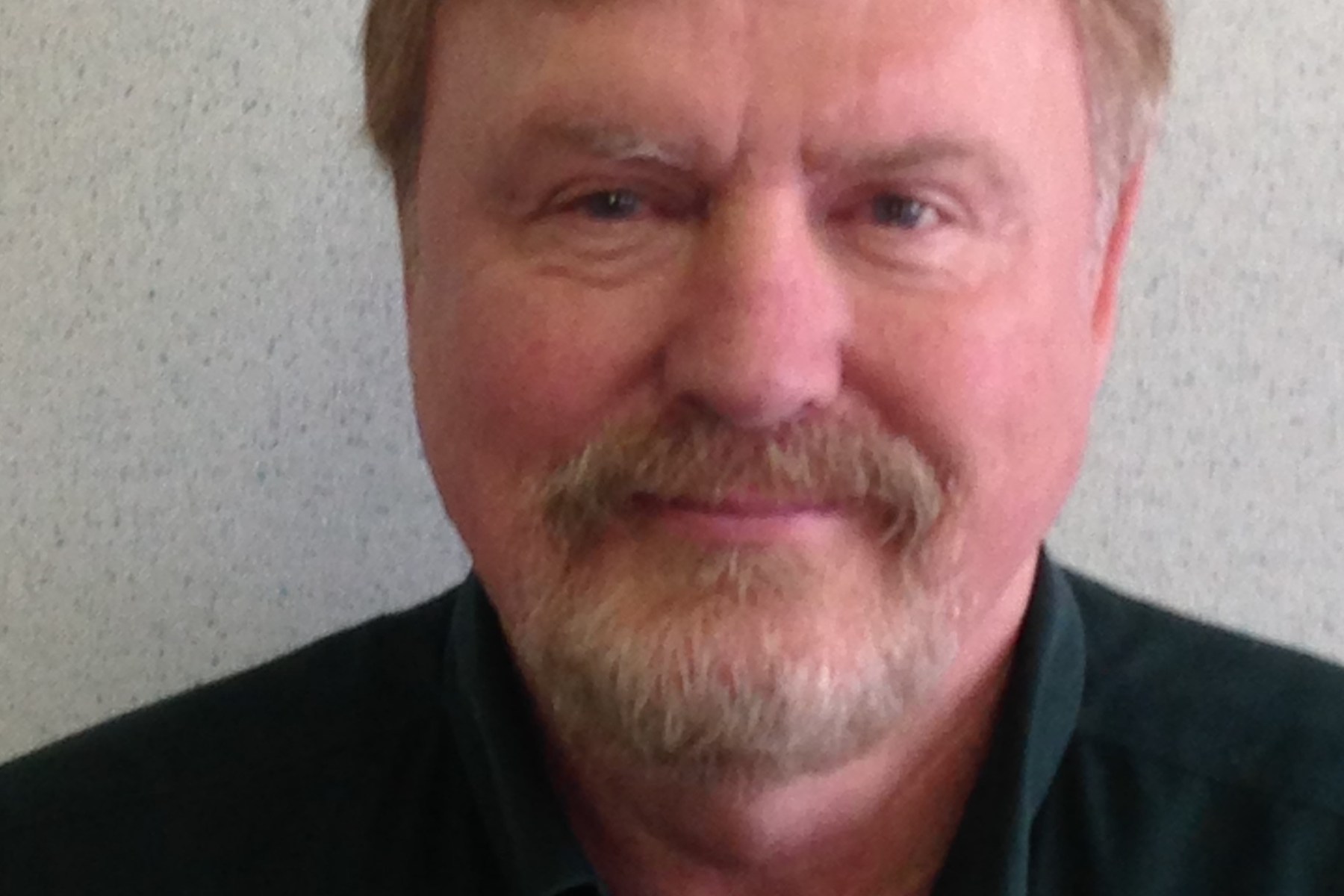
I think one of the best things PTs can do when they come out of school… go in a hospital. Work inpatient/outpatient. Learn the medical side of things. Learn things about illness, learn things about other disciplines…
– Mike Rogers
Pain arising from the SI is as rare as pain in the buttocks is common.
– James Cyriax (paraphrased by Mike Rogers)
We are fortunate to speak with Mike Rogers today. Mike is another important figure in the manual therapy education of physical therapists in the United States. He has quite the interesting story to tell, consequently! Mike has personally learned from Cyriax, Mennell, and Kaltenborn to name just a few mentors. Another great thing about speaking with Mike is that he is also a founding member of the American Academy of Orthopaedic Manual Physical Therapists (AAOMPT).
Listen in here:
Or tune in down here:
People need to be independent thinkers and use the laboratory that’s in front of them, which is the patient. If you know your ABC’s… Anatomy, Biomechanics, Clinical sciences. A lot of times you can solve problems that aren’t solved by all the research in the world.
– Mike Rogers
I can’t say enough about those seven people I met with [fellow founding members of AAOMPT]. Working with the founding members was probably one of the best things in my career that ever happened. Because so much came out of that. You just have to go to an Acadmey (AAOMPT) meeting to know.
– Mike Rogers
Links of interest:
American Academy of Orthopaedic Manual Physical Therapists
Michigan State University: College of Osteopathic Medicine
Mark R. Bookhout MS, PT, FAAOMPT, CFMM
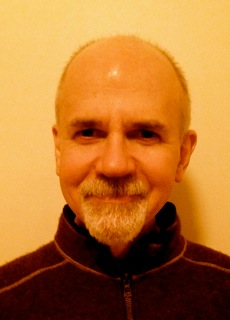
Hi y’all, welcome back to another conversation. This time with Mark Bookhout! I wanted to try out a different format for this conversation, and Mark was kind enough to oblige with it. Below you will find a written out question and answer format between myself and Mark. So, I’d love to hear your feedback on what you think about it. Please comment below!
Me: So what was life like for you growing up? With your family?
Mark: I grew up in upstate New York near the Catskill mountains in a small town of about 5,500 people. There was one major employer where my dad worked as a machinist. My mom worked as a secretary for an insurance company. As the eldest son with three younger brothers I was always inclined to try to take care of everyone.
Me: What do you think made you “inclined to try to take care of everyone” other than the fact that you were the oldest brother?
Also, were there any particular things that you feel were impressed upon you by your parents when growing up that you still carry with you or have passed on to others?
Mark: My dad worked second shift from 3:30 pm to midnight so he wasn’t home at night except on the weekends and my mom seemed overwhelmed by having four sons to manage which is why I think I stepped in.
My mom was a perfectionist and fortunately or unfortunately, I too developed that trait. Both of my parents worked hard and instilled in me that working hard was the best way to “get ahead” in life.
Me: What/who influenced you to become a physical therapist?
Mark: I decided to become a P.T. after visiting my uncle in the hospital while he was receiving P.T. to learn to walk again after a bad farming accident. He was told by his physicians that he would never walk normally again. His P.T. felt otherwise and my uncle regained full mobility and was able to walk without a limp after his therapy. He encouraged me to become a P.T.
Me: Were there any other professions/careers that you were considering along with PT? While your uncle was encouraging you to become a PT, do you remember any specifics about what he said, or why he thought you in particular should become a PT?
Mark: I also had considered being an elementary education teacher, but that was short lived.
My uncle felt that his physical therapist was more responsible for his recovery than his physicians were. I had also watched a TV show that I believe was called Dr. Ben Casey, and in the show he had a patient that he couldn’t connect with, who wouldn’t get out of bed and walk. There was a Physical Therapist in the show who was able to relate to the patient and eventually the patient responded and walked again. I thought after watching that show that being a physical therapist would be a rewarding profession. I believe I watched that show around the same time as I was visiting with my uncle at his P.T. session.
Me: What/who influenced you to get into manual therapy?
Mark: After graduating from the Mayo Clinic in 1977 I worked in an acute care hospital for about 6 months and was very disillusioned about our profession so I took a job in a nursing home. I then started a small business contracting P.T. services for several nursing homes. I had virtually no manual therapy training except for learning massage at that point in my career. I then was invited to attend an after hours presentation on manual therapy for the spine and watched a videotape of James Gould examining and treating a spinal patient. I was blown away that someone could palpate the spine and determine if it moved properly or not. I had never seen that before and I knew immediately that is what I wanted to do. I was told by the presenter that a new program under the tuteledge of Stanley Paris, PhD, P.T. was just starting in Atlanta, GA. I applied and was accepted to Stanley’s Master’s Degree Program in Orthopaedic Manual Therapy which I attended from May of 1981 to September of 1982.
Me: How did you decide to go to the Mayo Clinic for PT education?
Mark: I went to the Mayo Clinic for PT school because it was the only school that accepted me. Initially I was an alternate, so I didn’t know if I would be going to P.T. school or not until I received an acceptance letter about 5 days before I graduated from my undergraduate program with a B.S. degree in Biology.
Me: What disillusioned you so much about working in the acute care hospital? Do you look back on that time of your life (the six months in acute care) as a positive thing or a negative thing… with the realization that if you didn’t instead work in the nursing home you may have not been exposed to the manual therapy the way you were… and maybe your career could have been different? And the follow up to that would be… why?
Mark: My initial job in an acute care hospital was so frustrating because I was told to provide services that I didn’t think were effective or they seemed barbaric, ie treating a shoulder patient by strapping them to a shoulder wheel mounted on the wall and spinning the wheel while the patient shrieked in pain, or doing “gait training” with a CVA patient by holding the patient up with a walking belt while the PTA physically advanced the patient’s leg and locked the knee into hyperextension. I had even considered doing something else as I was so disillusioned by my first job.
At least in the nursing home job I was free to treat the residents the way I felt best and was supported by the owner of the nursing homes and the medical staff.
Me: Other than palpating the spine to determine motion, what else do you remember about the video you watched of James Gould? Anything else that fascinated you and made you want to pursue manual therapy?
Mark: I do remember that after watching James Gould palpating the spine, our study group tried to practice what he demonstrated and it was a challenge to feel anything. Initially I could not, but I was intrigued by the concept.
Me: What was Stanley’s program like during the time you were there (this is a particularly interesting question for me regarding the history side, since he had a major impact on educating so many people)?
Mark: Stanley’s program was amazing as we had so many gifted instructors and the program was quite demanding. Some days we would be in class and/or lab for 8 hours or more if Stanley was in town, as back then he was often out teaching CE courses on the road.
Me: Consequently, who have been your biggest mentors and why? In what ways did they mentor you?
Mark: Stanley Paris, Bob Donatelli, Steve Kraus, Rich Nyberg, Allan Grodin, Walt Personius and George Davies were my instructors and mentors in the program. We were also fortunate enough to receive instruction from Dr. Barry Wyke and Olaf Evjenth.
Me: What do you think were some of the highlights during your time with all of these mentors? Was there anything you learned at that time that has really stuck with you over the years?
Mark: When I attended Stanley’s program there were only two other organizations known to me that were teaching manual therapy in a classroom setting: Kaiser Permanente Program in Hayward, Ca and Dick Erhard and Richard Bowling’s Masters program at the University of Pittsburg. So naturally I felt very priviledged to have been able to attend Stanley’s program in Atlanta as it only existed for 3 years before Stanley eventually moved the program to St. Augustine, FL
Stanley instilled in us the importance of being able to stand up to and communicate with physicians about what we do and to act and dress as professionals.
After finishing Stanley’s program I was encouraged by Steve Kraus and Rich Nyberg to attend the continuing education programs offered at the Osteopathic College at Michigan State University to learn more about Muscle Energy Techniques and Craniosacral Therapy. I subsequently attended every course they offered from 1984 to 1987 and was then asked to join the teaching faculty at MSU as an adjunct associate professor in June of 1987. My main mentors were Philip Greenman, D.O., Fred Mitchell, Jr. D.O., Barbara Briner, D.O. and especially Carl Steele, D.O., P.T. who befriended me and patiently answered all of my many questions.
Me: Do you recall any particular reason that Steve Kraus and Rich Nyberg encouraged you to learn more about MET and CST from MSU?
Mark: Steve and Rich encouraged me to go to MSU because that’s where most of the giants in Osteopathy were practicing and teaching. Phil Greenman and Fred Mitchell, Jr for MET, Ed Stiles for Functional/Indirect Technique, Robert Ward for Myofascial Release, Barbara Briner for Craniosacral. Paul Kimberly, D.O. John Bourdillon, MD and John Mennell, MD were also my instructors.
Me: What struck you about the MSU program that you wanted to take every course from ’84 to ’87? I would certainly imagine the greats that you mentioned would be reason enough, but just wondered if you could share any stories about learning from all of these guys!
Mark: I was only the second P.T. asked to join the teaching faculty at MSU and I was very humbled by being able to teach, ask questions and share my observations with this amazing faculty. I really appreciated that they valued my ideas, opinions and my teaching style and were open to new ideas.
Me: When you mentioned Carl Steele, DO, PT… what kind of questions did you have that he so patiently answered?
Mark: Carl Steele was a P.T. before becoming a D.O. so he understood my questions better than anyone, especially regarding motion palpation versus positional testing. Positional testing is all they originally taught in the MET courses and after taking Stanley’s classes all I knew was motion testing in 3 separate planes and not combined movements.
Me: Given how long you’ve been a therapist, what has excited you the most, either past or present, about going to work and treating patients?
Mark: What has excited me the most about our profession is that I continue to learn from my patients almost on a daily basis and every patient presents as a unique new challenge which I thoroughly enjoy. I also have been fortunate to be able to open a private practice that specializes in treating orthopaedic conditions with manual therapy, teach continuing education courses and write and publish articles on manual therapy and co-author a textbook on spinal manipulation.
Me: Are there any particular stories or patients that you have remembered throughout the years that have stuck with you the most? For example, learning a particular treatment approach/technique that really worked well on one particular patient that opened your eyes to more possibilities for patients in the future?
Mark: I have learned a ton from my patients. For example, supine pelvic clocks was a Feldenkrais awareness through movement lesson that I had been shown at a CE course, but wasn’t told how to use it in the clinical setting, Then I had a patient who deviated from the midline every time he bent forward and my hands-on treatment had made no difference. Simply by having the patient perform the pelvic clock and monitor his ASISs to maintain symmetry during the movement immediately corrected his deviation with forward bending. I later discovered how to use the pelvic clock to diagnose FRS and ERS dysfunctions in the lumbar spine and to this day it is still an amazingly accurate assessment tool that I use every day. Every low back patient I see is given pelvic clocks for self treatment.
Me: Can you tell us about how you made the decision to open a private practice? Also, would you mind mentioning anything that you might have done differently in the early years of your private practice?
Mark: When I went to Stanley’s program I fully intended to return to Minnesota and open a private practice so I could provide my newly acquired skills. My early years in private practice were amazing, actually, as Stanley had been approached by a group of spine surgeons in Minneapolis who wanted him to come to Minnesota and reopen his school there. Stanley wasn’t interested, but told them about me and my eventual business partner, who was also in Stanley’s program and intended to return to Minneapolis as well. They hired us initially until we were able, through their assistance, to contract with the Sister Kenny Institute to provide specialized spinal services to their patients. We were off and running after that. We had so many referrals that we had to start hiring and training people to assist us and our private practice was born inside a hospital setting. At our peak, this one group of physicians referred 220-240 new low back spinal patients to us every month. We were invited to attend weekly rounds with them to discuss different cases and they would ask for our input. What was truly amazing is that they encouraged our growth, referred a ton of patients to us and never sought to have us work for them.
Me: What continuing education courses have you taught over the years?
Mark: I have taught at least 14 different CE courses over the past 36 years, averaging about 15-20 courses a year. Stanley actually gave me my start, teaching E1 for him from 1981 until February of 1987. Then in April of 1987, I was approached by Dr. Philip Greenman, D.O. about teaching at MSU while I was attending my last CE course at MSU. I’ve been on the teaching faculty at MSU ever since, and in 1990 I developed an Exercise Course for MSU to compliment the MSU CE course series.
I’ve also taught courses on my own at various hospitals, clinics and private practices throughout the U.S. I recently retired from teaching for the Barral Institute due to my health issues, but taught 22 Neuromeningeal Manipulation courses (NM1,2,3) from 2011-2017.
Me: I’ve seen your name in or on at least a couple of text books (i.e. Bourdillon’s Spinal Manipulation and Clinical Reasoning for Manual Therapists), could you tell us a little of what those are about?
Mark: In 1990 I was asked by Dr. John Bourdillon to write a chapter on exercises for his 5th edition of his Spinal Manipulation book and I subsequently wrote two chapters. I had the great pleasure of meeting Dr. Bourdillon at MSU and taught with him for several years before he passed away. Then in 2000 Dr. Edward Isaacs and I wrote an updated 6th edition of the Spinal Manipulation book in Dr. Bourdillon’s honor. The book covered both direct manipulation techniques and muscle energy techniques. Unfortunately it is now out of print.
In 2001 I was asked by Darren Rivett to write a case presentation on treatment of a patient with low back and leg pain incorporating Muscle Energy techniques.
Me: Because I love to hear about history, could you give us some background information about who Dr. John Bourdillon was?
Mark: Dr. Bourdillon was an Orthopedic Surgeon who himself developed back pain and sought treatment for his back, eventually obtaining relief thru manipulation of his spine. He then became a student and passionate supporter and practioner of manipulation and attended the CE courses at MSU. He became a member of the teaching faculty up until his untimely death while attending a ME course at MSU in 1992. He was a gentleman who had a big heart and a great sense of humor and he was always open to learning new ideas/techniques.
Me: As an aside… what did you like about this particular book that would make it worthwhile for someone to have in their library?
Mark: The 6th edition of Spinal Manipulation book has information in it that is not found anywhere else on problem solving for the lumbar spine and sacro-iliac joints. It is truly a classic, if I do say so myself.
Me: Has your treatment approach/paradigm evolved over time? If so, how?
Mark: My treatment approach continues to evolve as I wind down my career and I’m trying to incorporate all that I’ve learned over the past 35 years. I try to evaluate the whole patient and not focus on just the patient’s region of pain.
Me: Are there any particular strategies or thoughts that have been helpful in integrating such a vast amount of knowledge or variety of treatment approaches? Is there any particular thing that is more dominant in your evaluation of the whole patient?
Mark: I have found that using Listening as taught by Barral in combination with observation of gait and what I call postural loading through the pelvis, shoulders and head helps me define where the primary or most dominant issue is in the patient’s body at that time.
Me: Who or what are your biggest influences more recently, and why?
Mark: My biggest influence over the past 15+ years has been Jean-Pierre Barral, D.O., Alain Croibier, D.O. , Gail Wetzler, P.T. and the rest of the teaching faculty at the Barral Institute from whom I’ve learned the art of Visceral, Neural and Vascular manipulation.
Me: Are there any specifics from the Barral Institute’s curriculum that has influenced you the most during this time frame?
Mark: The Neuromeningeal courses have also been invaluable to me because of their specificity in addressing both the peripheral and central nervous system including the cranial nerves, as opposed to mobilizing a positive ULTT1 sign or slump sitting someone without regard as to where the primary fixation of the nerve may be.
Even more recently I have attended classes on Fascial Counterstrain developed by Brian Tuckey, P.T. and have been impressed by his original insights, skill and knowledge. If not already, I predict that he will be considered a pioneer and giant in our profession.
Me: What concerns do you have for the profession of PT or manual therapy in general?
Mark: My biggest concern for our profession and especially for manual therapy is the tendency for some educators to downplay the importance of specificity in treating patients and the focus on teaching only evidence-based techniques. I know many massage therapists who have better hand skills than many therapists.
Me: Do you have any ideas or thoughts regarding how clinicians can better improve their hand skills or sensitivity with their palpation?
Mark: Rich Nyberg wrote a really good article on palpation that I have often encouraged people to read. He talks about where the best receptors can be found in the hand and fingers depending upon what you are attempting to palpate. Ie. the difference between palpating with the palm versus the fingertips. I hate to say this but some people have a great sense of touch and others not so much. It truly is a gift, but needs much practice. Trying to visualize the anatomy under your palpating finger/hand is also a very helpful and powerful tool.
Me: What kind of things have you learned over the years that you wish you had known as a young clinician?
Mark: I wish I had learned the art of listening with the hands much earlier in my career. I’ve found it to be an invaluable tool in evaluating patients to determine their primary area of dysfunction and in identifying the tissue involved, i.e., visceral, neural, arterial, articular.
Me: Could you offer any advice on how to improve a clinicians skills regarding listening?
Mark: Practice, practice, practice it every day and on every patient and trust what you feel. I had a young girl, age 12, with severe low back pain whose mother had been told that it was psychological when her scans were negative. I tried listening to her abdomen and I was drawn to her R ureter consistently, but I didn’t trust my finding. With some reservation I did share this information with her mother. After going to the Mayo Clinic and having a complete work up with no answers they returned to see me and I found the same thing, R ureter. Finally an Ob/GYN physician took a chance and did an exploratory laparoscopy and found endometriosis on the R ureter, just where I said it was. She was prescribed a birth control pill and her back pain was gone. I’ve been a believer ever since.
Me: Any particular advice for young clinicians out there today?
Mark: My best advice to young clinicians is to continue to ask why a patient presents the way they do; to learn as much as they can from each patient and to attend continuing education courses. I encourage every young therapist to find a mentor and never be complacent with what you know.
Me: What are some things that you hope younger clinicians learn from you or take away from your interactions/instruction with them?
Mark: I hope that with my teaching, therapists are motivated and challenged to learn to use their eyes and hands for more specificity in assessing and treating patients.
Me: Why do you value specificity this much? I ask, not in a critical way, but because I really value specificity and would like to hear other clinicians perspective as to why it is valuable.
Mark: I find that often patients have not responded to previous medical intervention, whether it’s been P.T. or Chiropractic or surgery because of a lack of specificity in their treatment. It’s concerning to me that many of our prominent peers in manual therapy have been promoting non-specific approaches to manipulation and attempting to pigeon hole patients based upon clinical prediction rules. I find that the current clinical prediction rules may be applied to about 20% of my patient population, at best.
Me: Also, if there was one or two things you were to be remembered for in the realm of manual therapy, what would it/they be and why?Mark: I hope that I will be remembered as an eclectic manual therapist who tried to take the best ideas and concepts from the giants in the field of manual therapy and especially Osteopathy and integrate them in a cohesive and understandable manner.
Me: What is the best and worst advice you’ve heard given to others (or even yourself)?
Mark: The best advice I was ever given was to attend the continuing education courses at MSU. The worst advice I’ve heard repeatedly is if it isn’t evidenced based don’t use it.
Me: Why was the best advice to attend CEUs with MSU? What made that so valuable for your professional career (or even personal life for that matter)?
Mark: MSU in 1984 had a teaching faculty second to none in the U.S. I received instruction in Muscle Energy Techniques taught by the originators and first generation of instructors. To this day after considering all the courses that I’ve taken in my career, the Muscle Energy Level I course at MSU is the best course I’ve ever had and has been the most applicable in my daily practice.
Me: Regarding the worst advice you’ve heard repeatedly, why do you think that is bad advice, can you elaborate a little?
Mark: If I only practiced evidence-based P.T. the way some people have defined it, I wouldn’t be very successful. I have generally found that what I teach and practice does not appear in the literature until about 20 years later. We need to remember that evidence based medicine has three components, research is just one. The practioner’s experience and patient satisfaction are the other two.
Me: If you could challenge others in your profession to something, what would you choose, and why?
Mark: I would challenge others in our profession to open their minds to new ideas and techniques that may not have evidence to support it, but experienced therapists and patients know they are effective. I personally have found that I’m 15-20 years ahead of the research that is coming out today to support what I’ve been teaching for years.
Me: Please tell more about this. Can you provide some details/stories about ideas/techniques that you’ve found are 15-20 years ahead of the research?
Mark: I’ve taught for many years the importance of mobilizing the mid thoracic spine into extension (FRS correction) to enhance facilitation of the lower trapezius which was confirmed years later in studies by Josh Cleland and Jon Lieber.
Mobilizing the thoracic spine and rib cage has a powerful effect on the cervical spine and shoulder and are techniques that I presented years and years ago. Therapists still don’t realize how powerful mobilizing the anterior rib cage is for treating spinal pain.
Me: If you could only treat one body part/area/region on every patient, what would it be… and why? You can use any techniques you like…
Mark: If I could only treat one body part/area it would probably be the thoracic spine and rib cage because dysfunction in this area influences both the neck and low back. Treating this area also addresses the Sympathetic Nervous System which I feel is often overlooked.
Me: Can you give any examples of how treating the thoracic spine and rib cage can influence the Sympathetic Nervous system?
Mark: The lateral sympathetic chain ganglion sits in front of the rib heads so that when you mobilize a rib in an anterior to posterior direction you directly stimulate the sympathetic nervous system. You also shorten the intercostal nerve with this technique, similar to using a counterstrain technique for these nerves.
Me: Also, if you could only teach one thing to every patient, what would it be… and why?
Mark: If I could only teach one thing to every patient it would be supine pelvic clocks because with this one exercise the patient can move the lumbar spine and pelvis thru it’s full available range of motion in all planes.
Me: If our followers would like to learn more about you and/or your work, what would be the best way to go about that?
Mark: If someone is interested in learning more from me they can Google Bookhout Seminars for a listing of the courses and locations where I’ll be teaching.
 Manual Therapy Forum